
 Grace and peace be multiplied unto you through the knowledge of God and of Jesus Christ. It is a privilege to welcome you once again to this blog site. Thank you for taking the time to share and read these blogs. I am thrilled to see your comments and reposts. It means so much to know that my efforts to brighten your day are meaningful. Please keep posting comments and sharing on your sites, and let me know if these posts have been a blessing to you. I would like to invite you to be my guest at church this week. We meet in Brooklyn at 10:00 AM at 2418 Church Avenue in the Goshen SDA Church. Our midweek Bible study is virtual tomorrow night at 7:30. Here is the link:
Join: 797 700 935 Zoom Meeting
https://zoom.us/j/797700935?pwd=TW9WTnROSnBHaGowNnVRRnVxN1Y4UT09
Today’s blog comes from our archive (January 13th, 2013). It is still relevant to those of us who are seekers of the Kingdom of God. I hope you enjoy it again. I know I did.
Today, I want to encourage you to share your words openly. Your miracle isn’t just found in private obedience. You need to be willing to trust Christ at His word. Let’s examine the text.
John 2:8 he said, “Now dip some out, and take it to the master of ceremonies.” So the servants followed his instructions. NLT
Let me share a few observations. Mary prayed. She spoke to Jesus and said, “There is no wine.” Jesus replied, “It’s not my problem.” Mary instructed the servants, “Whatever he says to do, do it.” We don’t know from the text how much time has passed between verse 4 and verse 7, but Jesus instructs the servants to fill the water pots, which are used to wash the feet of guests after their long trip, with water. Have you ever felt misunderstood because of how the result of your prayer looks? You’re praying for wine, and Jesus is talking about water? Maybe Mary wasn’t clear. Have you ever felt that way? Here is my word to you: trust Christ. He’s not finished yet.
According to our narrative, the servants do exactly as he instructs. Let’s pause for a moment. There is no proof from the text that the servants knew what was going to happen. There is no evidence that they had seen this before. In other words, they did not need to understand what God was doing in order to obey him. Can you obey God when you don’t understand his ways? Can you submit to him when it seems to be going the wrong way? Why do we so often conclude that our compliance with God’s word must only occur when we understand his message and plan? Obedience is better than sacrifice, beloved.
Here is what happened next: Jesus tells them, “Now dip some out and take it to the master of ceremonies.” Beloved, there are some people who will only obey God when they know what’s going to happen. People in this situation would never witness the miracle. There are also some believers who are willing to obey Christ, but only behind closed doors.
God wants you to obey him even when others can see you doing so. When did the miracle occur? Between verse 7 and verse 8—between filling the jars and dipping some out. Not when you understood the miracle. The miracle happened, regardless of your understanding. All we need to do is follow the instructions. We must be willing to act on the direction without tasting the miracle first. Some of us wouldn’t have offered the drink to the master of ceremonies without sampling it. God desires our obedience to be unconditional and free from the need to comprehend it beforehand. He also wants you to trust him enough to go public with it. The word of the LORD to you, beloved, is: Don’t obey only in private; go public with your miracle. Go and take it to the master of ceremonies. Obey Christ in all things and witness your miracle unfold.
Obedience to God’s will is the secret of spiritual knowledge and insight. It is not willingness to know, but willingness to DO (obey) God’s will that brings certainty.
Eric Liddell
Remember to plan to bring someone to church with you this Sunday. Go public with your faith. Invite several people to join you at church. I believe there is a miracle in store for you through your obedience.
Live life on purpose, not by mistake.
Yours Because I am His,
Leo Colon, D.Min., M.Div.,
In His Presence Family Worship Center
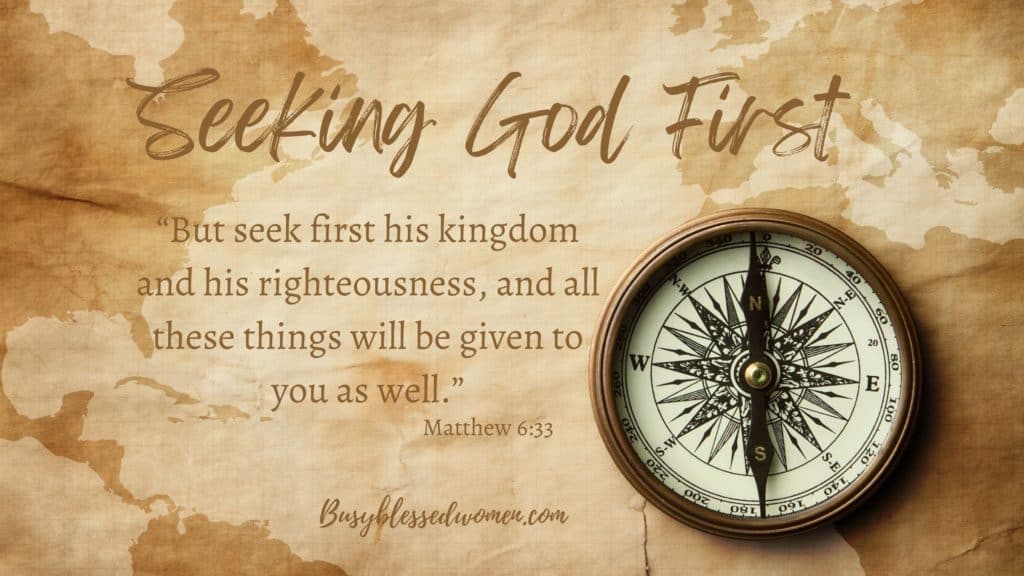


 Grace and Peace be multiplied to you through the knowledge of God our Father and of Jesus Christ. You have made it to day number four (4). Well done. You are more than halfway through your journey. We have the privilege of counting down at this point. Instead of saying we have three days left, our late Archbishop McKinley would say, “You have two days and a wake-up.” Congratulations to you. You are on your way to a marvelous 2025. We have been concentrating on our foundational verse for the Year, Matthew 6:33. Today, I want to contextualize what we have been looking at.
 Welcome to day two of the fast. Your dedication is commendable and is drawing God’s attention. Let’s focus on a key paradigm for our lives, found in Matthew 6:33:

 Pastor Leo Colon's Blog